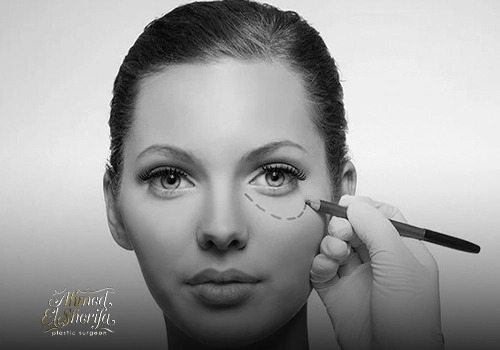
Eyelid Surgery in Egypt
The eye area is one of the facial areas that most clearly reflects signs of ageing and daily tiredness. Sagging eyelids, puffiness under the eyes, and dark circles can make a person look tired or older, even when the rest of the facial features still appear youthful and lively. Over time, the skin around the eyes may lose its natural elasticity, making effective solutions for restoring a fresher appearance to the eyes increasingly important.
Eyelid surgery has become one of the most common cosmetic procedures for improving the appearance of the eyes in a balanced way. This delicate surgery does not aim to dramatically change the shape of the eyes. Instead, it focuses on removing excess skin and treating puffiness under the eyes to restore a younger and more refreshed appearance.
In this comprehensive guide, Dr. Ahmed El Sherifa, Consultant Plastic Surgeon, explains everything you need to know about eyelid surgery in Egypt, starting with the causes of sagging eyelids and the different types of procedures, followed by a comparison with fillers and facelift surgery, as well as the expected results, recovery period, and cost of the procedure in Egypt.
Why Do Eyelids Begin to Sag?
The eye area is one of the most sensitive parts of the face and one of the areas most affected by ageing. For this reason, signs of ageing often appear around the eyes earlier than they do in the rest of the face.
The most noticeable signs include sagging eyelids, puffiness under the eyes or what is known as fat bags, and dark circles that may make the eyes look tired or older.
These changes occur as a result of several factors, including:
1. Ageing: Over time, the skin produces less collagen and elastin, which are responsible for maintaining skin elasticity. As the skin loses its elasticity, the area around the eyes begins to loosen, leading to sagging eyelids and the appearance of fine lines.
2. Genetic Factors: In some cases, puffiness under the eyes or sagging eyelids may appear at a relatively young age because of genetic factors. Some people have a hereditary tendency to develop fat deposits around the eyes.
3. Loss of Skin Elasticity: The skin around the eyes is very thin compared with the rest of the face. Therefore, it loses its elasticity more quickly, leading to loose skin and making it difficult to maintain naturally firm skin around the eyes.
4. Fat Accumulation Around the Eyes: Fat may accumulate beneath the skin, especially in the lower eyelid, causing permanent puffiness under the eyes. This puffiness can create the appearance of constant tiredness, even in the case of good sleep.
All these factors may affect the freshness of the eyes and the overall appearance of the face. For this reason, many people turn to cosmetic solutions that help restore a younger and more refreshed appearance.
What Is Eyelid Surgery?
Eyelid surgery is a cosmetic surgical procedure that aims to improve the appearance of the upper or lower eyelids by removing excess skin and tightening the tissues surrounding the eyes.
It is one of the most common facial cosmetic procedures. Its purpose is not to change the shape of the eyes in an exaggerated way, but to improve their appearance while preserving the natural facial features and restoring a livelier look to the eyes.
The procedure mainly aims to:
• Remove excess skin that causes sagging of the upper eyelid.
• Treat puffiness and fat bags under the eyes.
• Improve the appearance of the eyes and make them look younger and more refreshed.
• Restore the natural balance between the eyelids and the rest of the facial features.
The surgery is usually performed through fine incisions hidden within the natural folds of the eyelids, making the scars unnoticeable after recovery.
In some cases, excess skin removal is combined with the redistribution of fat around the eyes to achieve a more natural result.
Types of Eyelid Surgery in Egypt
The types of eyelid surgery in Egypt vary according to the problem experienced by the patient. The problem may affect the upper eyelid, the lower eyelid, or both.
1. Upper Eyelid Surgery
This type of surgery is performed when there is noticeable sagging in the upper eyelid due to excess skin that weighs down the eyelid and may sometimes affect the field of vision.
In this case, the procedure includes:
• Carefully removing the excess skin.
• Tightening the surrounding tissues.
• Improving the appearance of the upper eyelid.
This procedure often gives the eyes a younger appearance and restores a clearer look.
2. Lower Eyelid Surgery
Lower eyelid surgery is performed to treat puffiness or fat bags under the eyes. During this procedure, the surgeon removes or redistributes excess fat to improve the shape of the area beneath the eyes.
Excess skin may also be tightened if there is noticeable sagging, helping reduce the appearance of tiredness and dark circles.
The Difference Between Upper and Lower Eyelid Surgery
| Upper Eyelid Surgery | Lower Eyelid Surgery | |
| Main problem | Sagging or loose skin in the upper eyelid | Puffiness, fat bags, or sagging under the eyes |
| Purpose of the procedure | Removing excess skin and making the eyes look more open | Improving the appearance of puffiness and dark circles and giving the eyes a more rested look |
| Signs that may require the procedure | Heavy eyelids, tired-looking eyes, and sometimes an affected field of vision | Protruding fat under the eyes, a constantly tired appearance, and sagging skin beneath the eyes |
| Location of the surgical incision | Usually within the natural crease of the upper eyelid | Below the lash line or inside the eyelid in some cases |
| What is treated? | Excess skin and sometimes part of the fat or muscles, if necessary | Protruding fat, sagging skin, and sometimes slight tightening of the tissues |
| Effect on the appearance of the eyes | Makes the eyes look more open and refreshed | Makes the area beneath the eyes look smoother and more rested |
| Type of result | A clear improvement in the appearance of the upper part of the eyes | A noticeable improvement beneath the eyes, with less puffiness and tiredness |
3. Non-Surgical Eyelid Lift
In mild or early cases, there may be non-surgical eyelid lift options, such as certain devices or cosmetic injections that help improve the appearance of the skin around the eyes.
However, when there is noticeable excess skin or persistent puffiness under the eyes, surgery remains the most effective solution for achieving clear and long-lasting results.
The Difference Between Eyelid Surgery and Under-Eye Filler Injections
When treating problems around the eyes, many people may be unsure whether to choose eyelid surgery or under-eye filler injections. Although both procedures aim to improve the appearance of the eyes and restore their freshness, each one has a different role depending on the nature of the problem.
When Is Filler Suitable?
Filler is usually used to treat hollow dark circles or volume loss under the eyes. In some cases, the problem is not caused by excess skin or fat, but by a hollow or sunken area under the eyes that creates a tired appearance.
In this case, filler helps to:
• Fill the hollow area under the eyes.
• Reduce the appearance of dark circles.
• Improve the balance between the cheeks and the eye area.
Filler is a suitable option when the skin is relatively firm and there is no noticeable puffiness or sagging.
When Is Eyelid Surgery Needed?
Eyelid surgery is the more suitable solution when the problem is caused by:
• Excess skin on the upper eyelid.
• Puffiness or fat bags under the eyes.
• Noticeable sagging of the skin around the eyes.
In these cases, filler cannot solve the problem because the main cause is excess skin or accumulated fat, rather than volume loss.
Therefore, choosing between the two procedures depends on an accurate assessment of the problem to achieve a natural and balanced result.
Eyelid Surgery or Facelift: Which Is More Suitable for You?
Some patients may wonder whether eyelid surgery alone is enough to improve the appearance of the face or whether a facelift would be the better solution. The answer depends on where the signs of ageing appear.
When Is Eyelid Surgery Enough?
Eyelid surgery is suitable when the problem is limited to the eye area, such as:
• Sagging of the upper eyelid.
• Puffiness under the eyes.
• A tired or exhausted appearance of the eyes.
In these cases, eyelid surgery can significantly improve the appearance of the entire face because the eyes are one of the areas that most strongly reflect youth and vitality.
When Is a Facelift the Better Option?
If the signs of ageing affect other areas of the face, such as:
• Sagging cheeks.
• Deep lines around the mouth.
• Noticeable looseness around the jawline and neck.
A facelift may be more suitable. In some cases, a facelift and eyelid surgery may be combined to achieve a more complete and balanced result.
Who Is a Suitable Candidate for Eyelid Surgery?
Eyelid surgery is a suitable option for many people who have noticeable changes around the eyes that affect their overall appearance. The main cases that may benefit from this procedure include:
• Noticeable sagging of the upper eyelid that gives the eyes a tired appearance.
• Permanent puffiness under the eyes caused by fat accumulation.
• Excess skin around the eyes that affects the shape of the eyelids.
• Feeling that the eyes appear older than the rest of the facial features.
• In some cases, sagging of the upper eyelid may affect the field of vision.
The patient should also preferably be in good health and have realistic expectations about the results. An accurate assessment by a Consultant Plastic Surgeon helps determine whether eyelid surgery is the most suitable option for achieving a younger and more natural appearance.
Steps of Eyelid Surgery in Detail
Eyelid surgery involves several organized stages designed to achieve the best possible result while maintaining the natural shape of the eyes. The process begins with the medical consultation and continues through the surgery and the postoperative follow-up period.
1. Medical Consultation and Assessment
The first step begins with a visit to the doctor to assess the condition of the eyelids accurately. During this stage, the doctor will:
• Examine the upper and lower eyelids.
• Assess the degree of skin sagging.
• Determine whether there is excess fat or puffiness under the eyes.
• Discuss the patient’s expectations from the procedure.
This assessment helps determine the suitable type of procedure, whether it involves the upper eyelid, the lower eyelid, or both.
2. Preparation Before Surgery
Before surgery, the doctor may request some general medical examinations to make sure that the patient’s health is suitable for the procedure.
The patient will also receive important instructions, such as stopping certain medications or habits that may affect wound healing.
3. Performing the Surgery
Eyelid surgery is usually performed under local anesthesia with a mild sedative. General anesthesia may be used in some cases. The surgeon makes fine incisions in hidden areas within the natural folds of the eyelids. The procedure then includes:
• Carefully removing excess skin.
• Removing or redistributing accumulated fat around the eyes.
• Tightening the tissues surrounding the eyelids.
The incisions are then closed using fine sutures so that the scars become unnoticeable after recovery.
4. Completion of the Procedure and Follow-Up
The surgery usually takes between one and two hours, depending on the type of procedure. After the surgery, the patient can usually return home on the same day while following the doctor’s instructions during the recovery period.
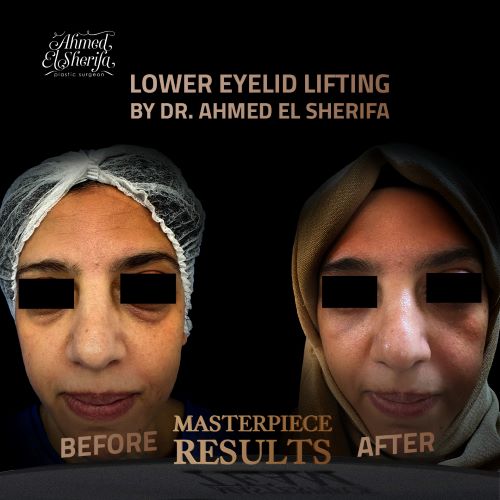
Eyelid Surgery Before and After Results
Before and after eyelid surgery results show a noticeable improvement in the appearance of the eyes, making them appear wider and younger compared with their appearance before the procedure.
The most noticeable changes patients may see after surgery include:
• The disappearance of excess skin from the upper eyelid.
• Reduced puffiness under the eyes.
• Improvement in the appearance of dark circles in some cases.
• Restored freshness and brightness around the eyes.
These changes help make the face look more youthful and livelier without altering its natural features. The main goal of the surgery is not to create an exaggerated cosmetic appearance, but to improve the eyes in a balanced way and restore harmony between the eyelids and the rest of the facial features.
Recovery Time After Eyelid Surgery
The recovery period after eyelid surgery is relatively short compared with many other facial surgeries, which makes it a preferred procedure for many patients.
Swelling and Bruising After Surgery
It is normal to experience some swelling or mild bruising around the eyes after surgery.
The swelling usually begins to improve within several days, while most of the bruising disappears within one to two weeks. Using cold compresses and following the doctor’s instructions can help speed up recovery.
Returning to Normal Life
Most patients can return to light daily activities within approximately one week, although strenuous activities should be avoided for a slightly longer period.
The final result appears gradually as the swelling completely disappears and the skin returns to its natural condition, making the eyes look noticeably younger and more refreshed.
Risks of Eyelid Surgery: Is It Safe?
Many patients ask whether eyelid surgery is dangerous. In fact, this procedure is considered relatively safe when performed by a specialized surgeon in a properly equipped medical center.
It is one of the most common facial surgeries worldwide and has a high success rate, with satisfactory results in most cases.
However, as with any surgical procedure, there may be some possible risks associated with eyelid surgery. These are usually temporary and can be managed by following the doctor’s instructions.
Possible complications after surgery include:
• Swelling and bruising around the eyes during the first few days.
• Temporary dryness or itching of the eyes.
• Slight unevenness between the eyelids in rare cases.
• Delayed wound healing in some patients.
These symptoms are usually temporary and gradually improve during the recovery period.
How Can the Risks Be Reduced?
Reducing the risks of eyelid surgery mainly depends on several factors, including:
• Choosing a plastic surgeon with experience in facial and eyelid surgery.
• Carrying out an accurate assessment before the procedure.
• Following all instructions before and after surgery.
• Performing the procedure in a properly equipped medical center.
When these factors are available, the procedure becomes highly safe, and the results are more precise and natural.
Cost of Eyelid Surgery in Egypt 2026
The cost of eyelid surgery in Egypt varies from one case to another, so it is not possible to set one fixed price for all patients. The price of eyelid surgery in Egypt depends on several medical and technical factors.
Factors That Affect the Cost of the Procedure
• The type of procedure, whether it involves the upper eyelid, lower eyelid, or both.
• The degree of skin sagging and the amount of excess skin.
• The need to redistribute fat under the eyes.
• The surgeon’s experience and professional reputation.
• The standard of the medical center or hospital.
In some cases, the procedure may be simple and limited to removing excess skin from the upper eyelid. In other cases, it may require a more extensive intervention to treat under-eye puffiness, which affects the final cost. Therefore, the exact price is determined after the medical examination and a complete assessment of the patient’s condition.
Why Choose Dr. Ahmed El Sherifa for Eyelid Surgery?
When considering eyelid surgery, choosing the right surgeon is one of the most important factors affecting the final result. Eyelid surgery is a delicate procedure that requires extensive experience to preserve the natural appearance of the eyes.
When searching for the best eyelid surgeon in Egypt, patients usually look for a doctor with extensive experience in delicate facial surgery who focuses on achieving natural results without exaggeration.
Dr. Ahmed El Sherifa is considered one of the leading doctors specializing in plastic surgery. He carefully assesses each case and selects the most suitable technique to achieve the best possible result.
He also focuses on maintaining the balance of the facial features and restoring the natural freshness of the eyes, which is what most patients seek when considering eyelid surgery.
Choosing an experienced surgeon is therefore an essential step in achieving safe and satisfactory results that last for years.
In Conclusion
Eyelid surgery is an effective solution for restoring a youthful appearance to the eyes and treating sagging eyelids or puffiness under the eyes in a natural and balanced way.
When performed correctly, it can give the eyes a brighter appearance and restore balance to the facial features without exaggeration.
However, achieving these results largely depends on an accurate medical assessment and choosing the right surgeon, as eyelid surgery is a delicate procedure that requires extensive experience to preserve the natural shape of the eyes and avoid any unwanted changes.
If you are considering eyelid surgery and would like to know which option is most suitable for your condition, you can book a consultation with Dr. Ahmed El Sherifa for an accurate assessment and a personalized treatment plan that helps restore the freshness of your eyes and achieve natural and safe results.
Book your consultation now to find out whether eyelid lift surgery is the right solution for you and begin your journey towards a younger and more confident appearance.